


Файл:Kuqa May 2007 427.jpg

Исходный файл (2073 × 1555 пкс, размер файла: 212 КБ, MIME-тип: image/jpeg)
Описание
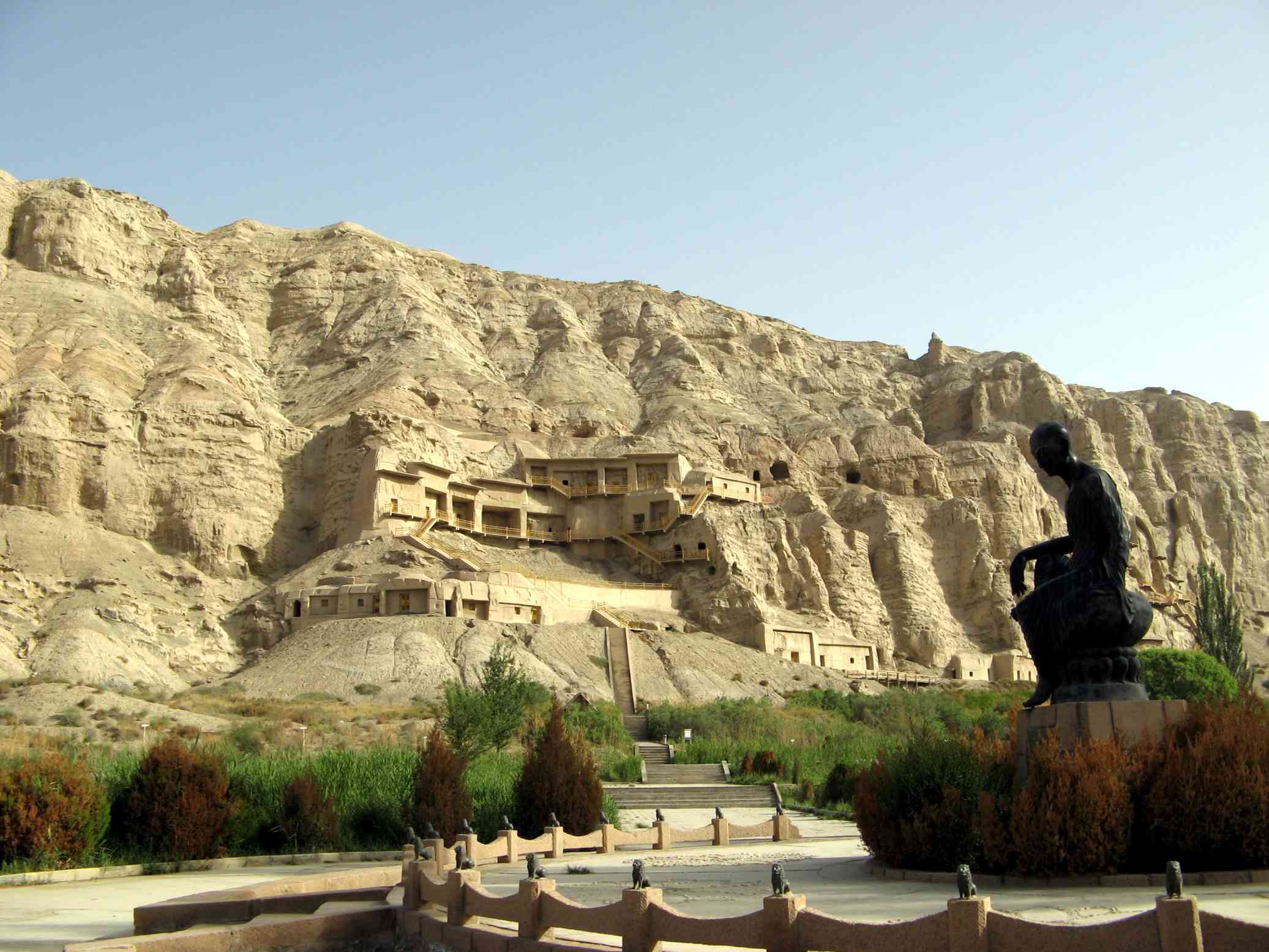
| Описание | Thousand-Buddha Caves. Kizil, Xinjiang
The Buddhist grottoes in Kizil date from about 300 AD -700 AD. Their early origin is a recent result that is based on carbon-14 dating. The caves display Indian/Gandharan and Iranian, rather than Chinese, styles in their artwork. Kizil's 200+ grottoes form the second-largest collection of cave-chapel art in the region, Dunhuang being the largest. Significant paint remains today (2007), although all Kizil's once-abundant clay images have by now been either destroyed or removed by a combination of erosion, flooding, and outsider interference with the site. A modern statue of Kumarajiva (344-414) appears at photo right. The great translator/monk was born in Kuqa, 70km (43mi) to the east. |
|---|---|
| Источник | Own work |
| Время создания | 2007 |
| Автор или правообладатель | G41rn8 — Лицензия: CC BY-SA 4.0 (Creative Commons Attribution-Share Alike 4.0) https://creativecommons.org/licenses/by-sa/4.0 |
| Другие версии файла | — |
Источник файла — сайт Wikimedia Commons, куда он был загружен под одной из свободных лицензий ( https://commons.wikimedia.org/wiki/File:Kuqa_May_2007_427.jpg ). Авторов, работавших над этим файлом см. в истории файла: https://commons.wikimedia.org/w/index.php?title=File:Kuqa_May_2007_427.jpg&action=history


В общем случае в статьях энциклопедии Руниверсалис файлы используются в соответствии со статьёй 1274 Гражданского кодекса Российской Федерации.
История файла
Нажмите на дату/время, чтобы увидеть версию файла от того времени.
| Дата/время | Миниатюра | Размеры | Участник | Примечание | |
|---|---|---|---|---|---|
| текущий | 08:22, 2 ноября 2023 | | 2073 × 1555 (212 КБ) | Я, робот (обсуждение | вклад) | == Описание == {{Изображение | описание = Thousand-Buddha Caves. Kizil, Xinjiang <p>The Buddhist grottoes in Kizil date from about 300 AD -700 AD. Their early origin is a recent result that is based on carbon-14 dating. The caves display Indian/Gandharan and Iranian, rather than Chinese, styles in their artwork. Kizil's 200+ grottoes form the second-largest collection of cave-chapel art in the region, Dunhuang being the largest. Significant paint remains today (2007), although all Kizil's o... |
Вы не можете перезаписать этот файл.
Использование файла
Следующая страница использует этот файл:
